
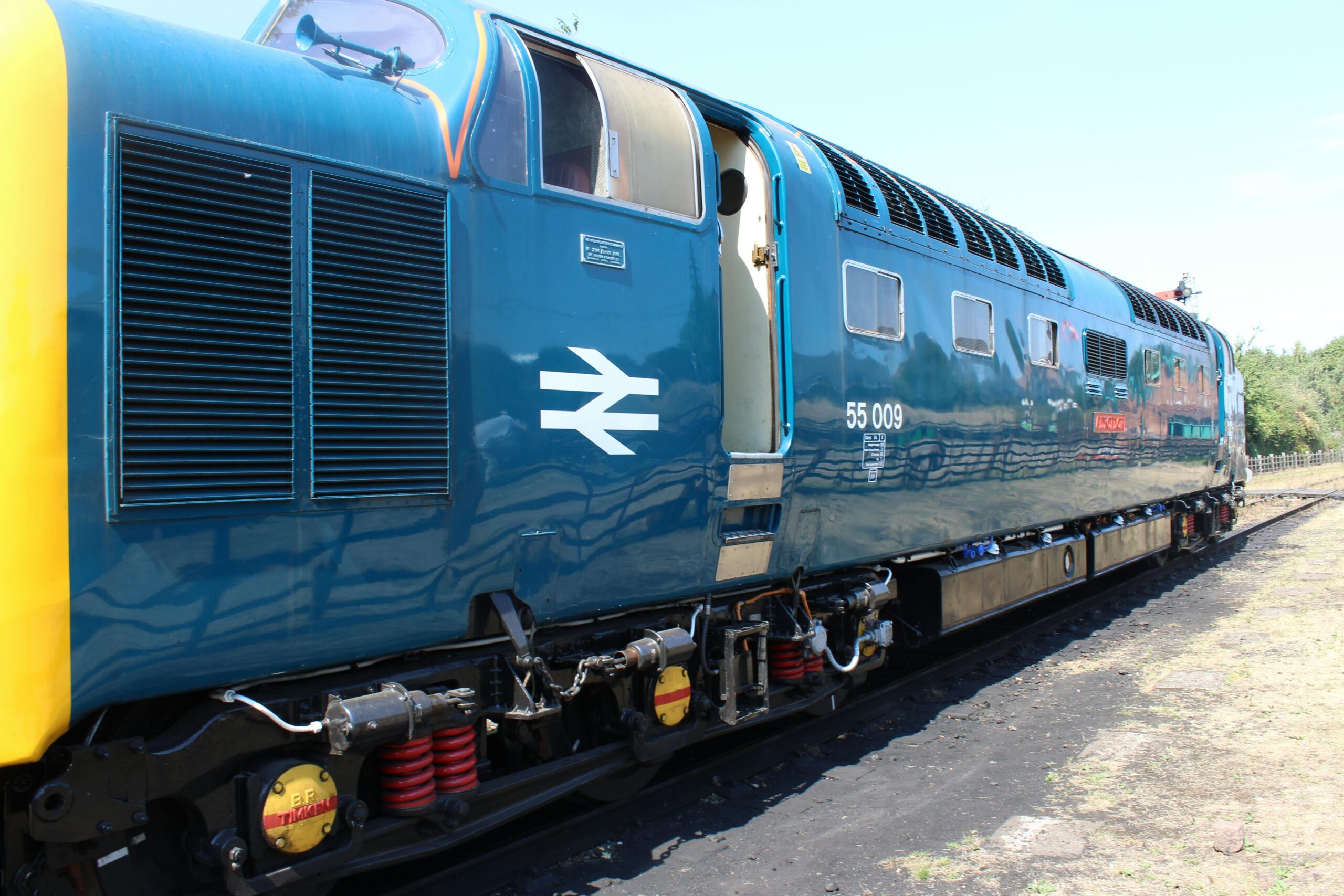
Investment in high-quality metal surface coatings can cut the overall costs of modern rail infrastructure by extending the lifecycle of parts, reducing maintenance and improving resistance to vibration.
Tracks, wheels, axles, fasteners and fixings all require protective coatings to cope with the harsh operating environments of the rail industry.
Steve Norman, Commercial Director at The Anochrome Group, said advanced coatings can produce overall, long-term savings by super-charging durability and preserving structural integrity.
Steve said: “Parts in the rail industry need to be able to withstand intense conditions, including harsh weather and constant mechanical stress, while maintaining high safety requirements.
“All parts within rail infrastructure should have a long service life, often spanning several decades. However, without effective protection, components may fail long before they should.
“Metal surface coatings have advanced significantly in recent years and now offer vastly superior protection. These advanced solutions may cost more to apply at the offset due to the technology involved, but the long-term benefits and cost savings are clear to see.”
The Anochrome Group is the UK’s largest independent specialist surface coatings and metal finishing company and has been supplying into the rail industry for some time.
Its thermal diffusion process has been used extensively to coat concrete fasteners in the London Underground and Anotec, one of the six businesses within The Anochrome Group, was recently verified by The Railway Industry Supplier Qualification Scheme (RISQS)
One of the most significant advantages of metal surface coatings in rail applications is a substantial reduction in maintenance.
Rail components such as wheels, axles, bogies, couplings, tracks and fasteners are continuously exposed to friction, corrosion, dirt, moisture and temperature fluctuations. Without adequate protection, these factors accelerate wear and degradation, leading to frequent inspections, repairs and part replacements.
Coatings also protect against corrosion by preventing oxidation caused by water, humidity and salts, while preventing metal-on-metal contact that can damage materials over time.
Steve added: “Advanced coatings reduce downtime and improve fleet operations. This is great news for passengers and for operators it means fewer service disruptions and lower maintenance costs.”
Vibration remains a major challenge in rail, affecting not only passenger comfort but also component longevity and surrounding environments. Excessive vibration can accelerate wear, loosen fasteners and increase the risk of fatigue failure in metal components.
Certain metal surface coatings are specifically designed to dampen vibration by altering surface friction characteristics or introducing energy-absorbing layers. Anochrome’s patching service sees inert nylon patches permanently fused onto the screw thread, locking a fastener in the desired position and preventing vibration.
This has the added benefit of reducing noise during operation, which is particularly key in urban areas.
Anochrome can also offer EMC coatings for the rail industry which protects sensitive equipment by reducing electromagnetic interference (EMI) and radio interference.
Finally, advanced coatings help to improve the safety of the network by ensuring all parts and components are operating how they should.
Steve said: “We have extensive experience in the rail industry and we’d be pleased to help operators reduce their costs across the board with advanced coatings that make a real difference.”